Brake Repair
Brake Repair in Oceanside, CA
Your vehicle’s braking system is one of its most important safety systems. If you hear squeaking or grinding, feel vibration while stopping, notice a soft brake pedal, or see a brake warning light, the first step is finding out what is actually causing the concern.
At Lael's International Auto Service, we provide brake inspections, maintenance, diagnostics, and repair for drivers throughout Oceanside and North County San Diego. We work on domestic, Asian, European, and luxury vehicles, including BMW, Mercedes-Benz, Audi, Volkswagen, and Lexus models.
Every brake service begins with a careful inspection. We evaluate the condition of the braking system, explain what we find, and recommend repairs based on the vehicle in front of us.
Schedule Your Brake Inspection or call (844) 417-0991.
Brake Problems Do Not Always Mean You Need New Brake Pads
Many drivers assume that every brake concern means the pads have worn out. In reality, similar symptoms can come from several parts of the braking system.
Brake noise may be related to worn friction material, rotor condition, moisture, debris, or brake hardware. A vibration while braking may involve the rotors, but steering, suspension, tire, or wheel-bearing concerns can sometimes create similar symptoms. A soft brake pedal may point to a hydraulic concern that requires prompt inspection.
Because symptoms can overlap, we inspect the complete system before recommending repairs. Our goal is to identify the likely cause rather than replacing parts based on an assumption.
Complete Brake System Inspections
Brake performance depends on mechanical, hydraulic, and electronic components working together. A proper brake inspection looks beyond one worn part and evaluates the condition of the system as a whole.
The exact inspection varies by vehicle, system design, and the symptoms you have noticed.
Our Brake Inspection May Include
- Measuring brake pad or brake shoe thickness
- Inspecting brake rotors or drums for wear and damage
- Checking brake caliper condition and operation
- Inspecting flexible brake hoses and visible brake lines
- Checking brake fluid level and condition
- Looking for hydraulic fluid leaks
- Inspecting brake hardware where accessible
- Evaluating the parking brake system
- Checking brake and ABS warning lights
- Road testing the vehicle when appropriate
After the inspection, we explain what we found in clear language. If several items need attention, we help you understand which concerns may affect safety or braking performance and which items may be monitored or planned for later.
Learn more about our digital vehicle inspections.
Common Signs Your Brakes Should Be Inspected
Brake concerns do not always appear the same way. Some develop gradually, while others may occur suddenly. A change in braking performance should be taken seriously, especially when it affects pedal feel, stopping distance, or vehicle control.
Squeaking or Squealing Brakes
Brake squeaking can have several causes. Normal wear, moisture, brake dust, glazing, worn hardware, or the design of the friction material may all contribute to noise.
Some brake noises may not indicate an immediate safety problem, while others can signal that service is needed. An inspection helps determine whether the sound is related to normal operation or a condition that should be repaired.
Grinding While Braking
A grinding sound can indicate that brake friction material has worn significantly or that another component is making contact where it should not.
Continued driving may increase wear to the rotors or other braking components. Grinding should be inspected as soon as practical.
Brake Pedal Vibration or Pulsation
If the brake pedal or steering wheel vibrates while slowing down, the concern may involve rotor condition or another part that affects vehicle stability.
Suspension components, steering parts, tires, and wheel bearings can sometimes create similar symptoms. We inspect the related systems before identifying the source.
Soft or Spongy Brake Pedal
A brake pedal that feels unusually soft, travels farther than normal, or does not respond the way it used to should be inspected promptly.
Possible causes may involve brake fluid, air in the hydraulic system, leaks, a master cylinder concern, or another part of the braking system. Testing is required before the cause can be confirmed.
Vehicle Pulling While Braking
If the vehicle pulls to one side when the brakes are applied, braking force may not be even across the vehicle.
The cause may involve a brake caliper, uneven pad wear, hydraulic operation, tire condition, alignment, suspension parts, or another related concern.
Longer Stopping Distance
If the vehicle takes longer to stop than it normally does, the braking system should be inspected promptly. Reduced braking performance can involve worn friction material, hydraulic concerns, overheated components, contaminated surfaces, or other system problems.
Brake Warning Light
A brake system warning light may indicate low brake fluid, an active parking brake, a hydraulic concern, worn brake components on some vehicles, or another system fault.
The warning should not be ignored. The cause varies by vehicle and requires inspection.
ABS Warning Light
An illuminated ABS light means the anti-lock braking system has detected a fault. The cause may involve a wheel-speed sensor, wiring, a control unit, or another related component.
A scan code is only a starting point. Further testing is needed before a repair can be recommended.
Related services include auto diagnostics, computer diagnostic services, and ABS wheel sensor service.
Burning Smell or Excessive Heat Near a Wheel
A burning smell or unusual heat near one wheel may indicate a sticking brake component or another condition creating excessive friction.
Because overheating can affect braking performance and damage nearby components, reduce unnecessary driving and arrange an inspection.
Brake Pedal Feels Hard
A brake pedal that suddenly requires more effort than usual may involve the brake-assist system or another mechanical or hydraulic concern.
The exact cause depends on the vehicle and braking system design. Professional testing is needed before repairs are performed.
Complete Brake Repair Services
Every braking system is slightly different depending on the manufacturer, model, and vehicle configuration. Some vehicles use conventional hydraulic parking brakes, while others rely on electronic parking brake systems. Performance models may use larger brake components or specialized materials, and hybrid or electric vehicles may incorporate regenerative braking technology.
For that reason, we recommend repairs based on the condition of your vehicle rather than a one-size-fits-all approach. After completing our inspection, we'll explain what we found and discuss the options that best fit your vehicle and driving needs.
Brake Pad Replacement
Brake pads gradually wear with normal use. How quickly they wear depends on driving habits, traffic conditions, vehicle weight, terrain, and the design of the braking system.
During every brake inspection, we measure brake pad thickness and inspect the condition of the friction material before recommending replacement.
Learn more about our Brake Pad Replacement service.
Brake Rotor Service
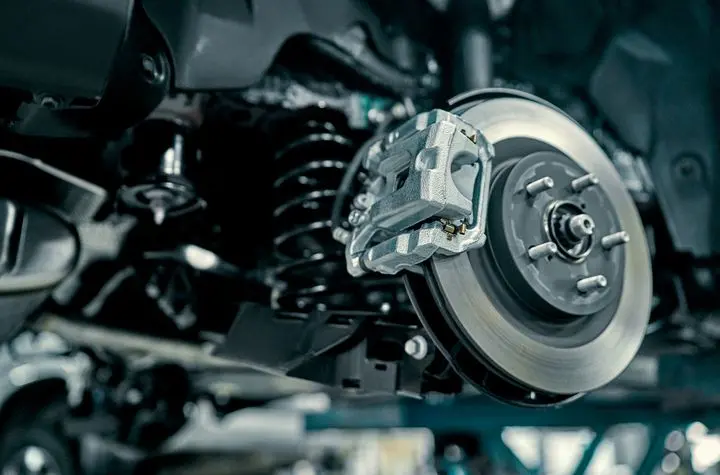
Brake rotors provide the friction surface that allows your vehicle to slow safely and consistently. Over time, rotors may wear, develop grooves, or experience heat-related changes that affect braking performance.
We inspect rotor condition, measure wear where appropriate, and compare our findings with manufacturer specifications before recommending replacement.
Learn more about our Brake Rotor Service.
Brake Fluid Service
Brake fluid transfers hydraulic pressure from the brake pedal to the braking system. As brake fluid ages, it may absorb moisture over time, which can affect braking performance and contribute to internal corrosion within hydraulic components.
The appropriate service interval depends on your vehicle and manufacturer recommendations. During brake inspections, we evaluate brake fluid condition and discuss whether service may be beneficial.
Learn more about our Brake Fluid Service.
Brake Caliper Service
Brake calipers apply the brake pads against the rotors to create the friction needed to slow the vehicle. Depending on the vehicle and operating conditions, calipers may develop sticking components, uneven operation, or fluid leaks.
When brake performance suggests a caliper concern, we inspect the complete braking system before recommending repair or replacement.
ABS Diagnostics and Repair
Most modern vehicles use Anti-Lock Braking Systems (ABS) together with traction control and electronic stability control to help improve vehicle control during certain driving conditions.
If an ABS warning light appears or the system is not operating correctly, diagnostic testing helps identify whether the concern involves sensors, wiring, hydraulic components, electronic control modules, or another related system.
Learn more about our ABS Diagnostic Service.
Parking Brake Repair
Many newer vehicles use electronic parking brakes, while others continue to use conventional cable-operated systems. Depending on the design, repairs may involve adjustment, electronic diagnosis, actuator service, or replacement of worn components.
Parking brake concerns should be inspected before additional brake work is performed.
Hydraulic Brake System Repair
Your hydraulic braking system includes brake hoses, steel brake lines, fittings, seals, and other components that safely transfer hydraulic pressure throughout the braking system.
If leaks or hydraulic concerns are suspected, we inspect the complete system to identify the source before recommending repairs.
Master Cylinder Inspection
The master cylinder generates hydraulic pressure every time you apply the brake pedal. Changes in pedal feel, hydraulic leaks, or reduced braking performance may require inspection of the master cylinder and related hydraulic components.
Because several hydraulic concerns can create similar symptoms, diagnosis comes before replacement.
Brake Repair for European and Luxury Vehicles
Modern European vehicles often combine traditional hydraulic braking systems with sophisticated electronic safety technology. Anti-lock braking systems, electronic stability control, adaptive cruise control, collision avoidance features, and electronic parking brakes all rely on braking components working together as designed.
While every vehicle is engineered differently, proper brake service often requires manufacturer-specific procedures, compatible diagnostic equipment, and an understanding of how these systems interact with one another.
At Lael's International Auto Service, we work on many domestic, Asian, European, and luxury vehicles while maintaining extensive experience with German manufacturers and other premium brands.
BMW Brake Repair
BMW braking systems are designed to complement the balanced handling and performance the brand is known for. Depending on the model, service may involve electronic brake wear monitoring, performance braking components, integrated stability systems, and electronic parking brake procedures.
Whether you drive a 3 Series, X5, X7, or an M model, we inspect the complete braking system before recommending repairs.
Mercedes-Benz Brake Repair
Mercedes-Benz vehicles combine braking performance with sophisticated safety systems. Many models incorporate advanced stability control, electronic parking brakes, brake assist features, and driver assistance technologies that rely on proper brake system operation.
We evaluate the complete braking system and perform repairs using manufacturer-informed procedures whenever applicable.
Learn More About Mercedes-Benz Repair
Audi Brake Repair
Audi braking systems are engineered to work alongside quattro all-wheel drive, turbocharged engines, electronic stability systems, and advanced driver assistance technologies.
Depending on the model, brake service may involve electronic parking brake procedures, brake wear monitoring, and manufacturer-specific service information.
Volkswagen Brake Repair
Volkswagen vehicles combine practical everyday transportation with German engineering. Their braking systems may include ABS, electronic stability control, electronic parking brakes, and integrated safety technologies that benefit from careful inspection and proper service procedures.
Whether you drive a Jetta, Golf, GTI, Tiguan, Atlas, or another Volkswagen model, we inspect the complete brake system before recommending repairs.
Learn More About Volkswagen Repair
Lexus Brake Repair
Lexus vehicles are designed to provide smooth, quiet braking performance while integrating sophisticated electronic safety systems. Depending on the model, brake systems may also work with hybrid regenerative braking technology and advanced driver assistance features.
We inspect the complete braking system to help ensure repairs support both performance and long-term reliability.
Brake Maintenance Helps Protect Your Safety
Your vehicle's braking system experiences wear every time you slow down or stop. Regular inspections and routine maintenance allow technicians to monitor brake pad wear, evaluate rotor condition, inspect hydraulic components, and identify developing concerns before they become more extensive repairs.
Brake wear is not the same for every vehicle. Driving habits, traffic conditions, vehicle weight, terrain, towing, and even the design of the braking system can all influence how quickly brake components wear. For that reason, replacement intervals vary and should be based on inspection rather than mileage alone.
Why Brake Fluid Matters
Brake fluid transfers hydraulic pressure from the brake pedal to each wheel whenever you apply the brakes. Over time, most brake fluids gradually absorb moisture from the atmosphere, which may reduce braking performance and contribute to corrosion inside hydraulic brake components.
Because maintenance schedules vary by manufacturer and vehicle, we inspect brake fluid condition during brake service and recommend replacement when appropriate based on the vehicle's service information and overall condition.
Learn more about our Brake Fluid Service.
Brake Pad Wear Varies From Vehicle to Vehicle
There is no single mileage at which every set of brake pads should be replaced. Some vehicles may require brake service sooner because of frequent stop-and-go traffic, heavier loads, towing, mountainous terrain, or more aggressive driving habits, while others may go much longer between brake services.
Rather than estimating brake life based on mileage alone, we measure brake pad thickness during inspections and evaluate the condition of the complete braking system before making recommendations.
Brake Rotors Should Be Evaluated During Every Brake Service
Brake rotors provide the surface that brake pads clamp against to slow the vehicle. During every brake inspection, we evaluate rotor condition for wear, heat-related damage, grooves, cracking where applicable, and other conditions that may affect braking performance.
Rotor service recommendations are based on measurements, manufacturer specifications, and the overall condition of the braking system.
Annual Brake Inspections Can Help Identify Developing Problems
Even if your vehicle appears to be stopping normally, routine brake inspections provide an opportunity to monitor component wear and identify concerns before they become more significant.
Brake inspections may also identify uneven brake wear, sticking calipers, hydraulic leaks, worn brake hardware, damaged hoses, or electronic brake system concerns that could affect future braking performance.
Learn more about our Preventative Maintenance, Factory Maintenance, and Digital Vehicle Inspections.
Brake Repair for Oceanside and North County San Diego
Lael's International Auto Service proudly provides brake inspections, maintenance, and brake repair for drivers throughout Oceanside and nearby communities, including Carlsbad, Vista, Encinitas, Leucadia, and the Camp Pendleton area.
Daily commuting, Interstate 5 traffic, frequent stop-and-go driving, and coastal driving conditions can all influence how quickly brake components wear. Regular inspections help ensure your braking system continues performing as intended regardless of how you use your vehicle.
Whether your vehicle needs routine brake maintenance or diagnostic testing for a braking concern, our technicians inspect the complete braking system before recommending repairs.
Frequently Asked Questions About Brake Repair
How often should my brakes be inspected?
Brake inspections are generally recommended during routine maintenance or whenever you notice a change in braking performance. The appropriate inspection interval depends on your driving habits, vehicle type, mileage, and manufacturer recommendations.
How long do brake pads last?
Brake pad life varies considerably. Stop-and-go traffic, highway driving, vehicle weight, towing, driving style, terrain, and brake pad material all affect wear. Rather than estimating replacement by mileage alone, we measure brake pad thickness during inspections.
Why are my brakes squeaking?
Squeaking brakes can have several causes, including normal pad wear, moisture, glazing, brake dust, worn hardware, or other brake system conditions. An inspection helps determine whether the noise indicates normal operation or a repair that should be addressed.
Why does my steering wheel shake when I brake?
Vibration while braking may be related to brake rotors, suspension components, steering parts, tires, or wheel bearings. Because several systems can produce similar symptoms, we inspect the vehicle before identifying the source.
Can worn brake pads damage my rotors?
Driving with significantly worn brake pads may increase wear to the brake rotors and other braking components. Having your brakes inspected when unusual noises or changes in braking performance occur may help reduce additional repairs.
What does the ABS warning light mean?
An ABS warning light indicates that the anti-lock braking system has detected a fault that requires further diagnosis. Diagnostic testing is recommended to determine the underlying cause before repairs are performed.
Is brake fluid really necessary?
Yes. Brake fluid is an essential part of your vehicle's hydraulic braking system. Over time, many brake fluids absorb moisture, which may affect braking performance and contribute to internal corrosion. Service intervals vary by manufacturer and vehicle.
Should brake pads and rotors always be replaced together?
Not necessarily. The condition of both components should be evaluated during the inspection. Recommendations depend on rotor measurements, brake pad wear, manufacturer specifications, and the overall condition of the braking system.
Why does my brake pedal feel soft or spongy?
A soft brake pedal can have several possible causes, including air in the hydraulic system, brake fluid concerns, leaks, or other braking system issues. Because braking performance may be affected, the vehicle should be inspected as soon as practical.
Do you service ABS and electronic brake systems?
Yes. We diagnose and repair many conventional hydraulic braking systems as well as ABS, electronic parking brakes, and other integrated braking technologies found on modern vehicles. Services vary by make, model, and system design.
Do you work on BMW, Mercedes-Benz, Audi, Volkswagen, and Lexus brake systems?
Yes. We provide brake inspections, maintenance, diagnostics, and repair for many German and luxury vehicles, including BMW, Mercedes-Benz, Audi, Volkswagen, and Lexus, in addition to many domestic and Asian makes.
Can you inspect my brakes before a road trip?
Yes. A pre-trip brake inspection can evaluate brake pads, rotors, fluid condition, hydraulic components, visible leaks, and other accessible parts of the braking system. While no inspection can predict every possible failure, it can help identify many concerns before you travel.
Schedule Brake Repair in Oceanside, CA
If your vehicle is making unusual brake noises, takes longer to stop, has a warning light, or simply doesn't feel the way it normally does, Lael's International Auto Service is here to help.
We begin every brake repair with a careful inspection, explain what we find, and recommend repairs based on the condition of your vehicle. Whether you need brake pads, rotor service, brake fluid replacement, ABS diagnostics, or a complete brake system evaluation, our experienced technicians are committed to helping you drive with confidence.
From routine brake maintenance to advanced diagnostics on European, Asian, domestic, and luxury vehicles, we're proud to provide thoughtful service and quality workmanship for drivers throughout Oceanside and North County San Diego.
We are a Digital Shop
The Lael's International Auto technicians use the latest technology to not only tell you if there are any issues with your vehicle, but show you. If we uncover an issue the photo will be e-mailed to you for your records. At the end of every visit you will receive a detailed report regarding the general health of your vehicle. Our #1 goal is to keep you safe on the road.
Read more